Asia's Coastal Cities Turn to Mangroves as a Cheaper Alternative to Seawalls
Coastal cities from the Mekong Delta to the Philippines are expanding mangrove replanting as a cheaper, nature-based alternative to concrete seawalls.
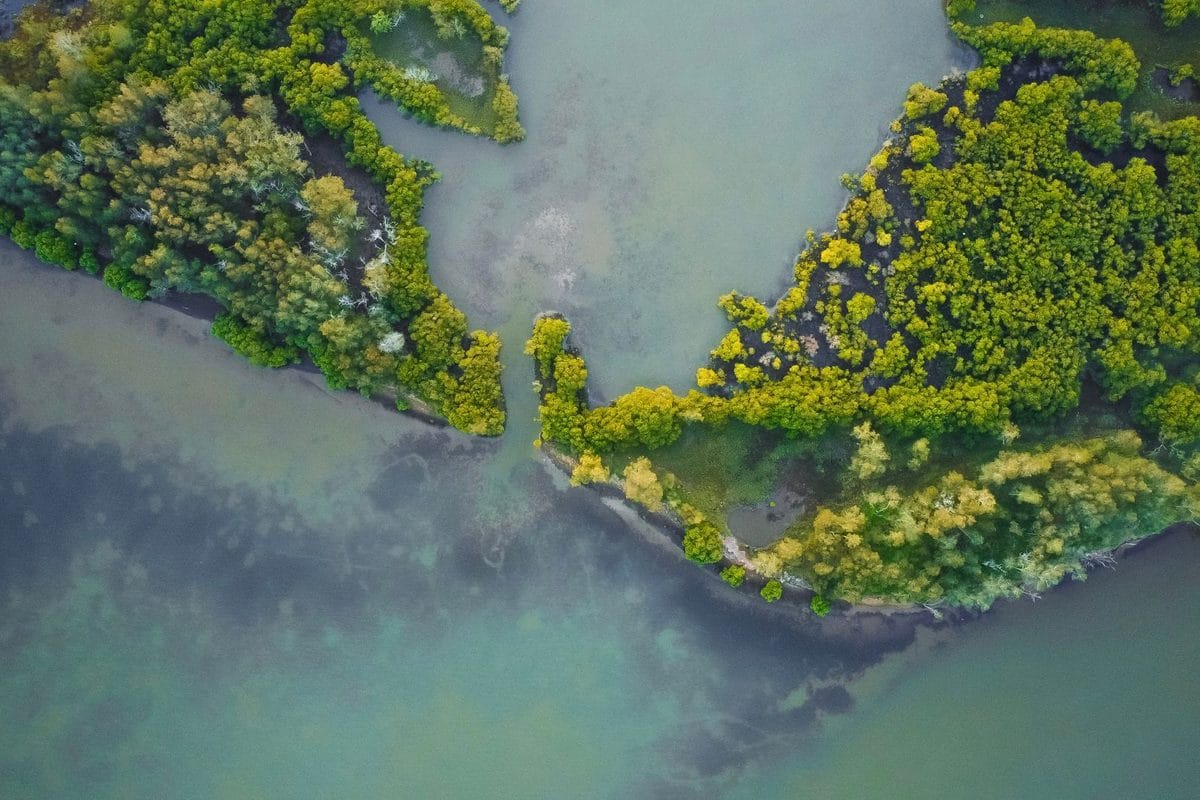
Coastal cities across Southeast Asia are expanding mangrove replanting programmes as a lower-cost alternative to concrete sea walls, with regional conservation groups and municipal governments restoring tens of thousands of hectares of degraded wetland over the past two years. From the Mekong Delta to coastal Java and the Philippine archipelago, storm surges and high tides have pushed further inland in recent seasons, straining ageing flood infrastructure in low-lying districts. Officials in several of the affected provinces describe the plantings as an immediate, lower-cost complement to hard infrastructure rather than a replacement for it, not a stand-alone fix for every stretch of coastline.
The push follows a string of tidal flooding events that damaged roads, fishponds and low-lying housing in coastal districts of Vietnam, Indonesia, Thailand and the Philippines over the past three monsoon seasons. According to regional oceanographic monitoring networks, sea levels along much of the region's coastline have risen faster than the global average over the past 30 years, compounding the effect of land subsidence in fast-growing delta cities. Meanwhile, budgets for large-scale seawall construction have come under pressure in several municipalities, pushing engineers toward options that cost less upfront and can be extended in stages as funding allows.
A Cheaper Buffer Than Concrete
Mangrove forests slow incoming waves before they reach the shoreline, and their dense root systems trap sediment that would otherwise wash away with each tide. Over the past decade, coastal engineering research has found that a wide, healthy mangrove belt can cut wave height by roughly half within the first hundred metres of forest, with the effect compounding as the belt widens further inland. That buffering capacity is why regional conservation groups have prioritised replanting over clearing remaining mangrove stands for aquaculture ponds, a practice that dominated much of the region's coastline through the 1980s and 1990s and left long stretches of shoreline exposed to open water.
Restoring a hectare of mangrove forest typically costs a few thousand dollars in nursery stock, site preparation and multi-year monitoring, according to regional conservation groups involved in the plantings — a fraction of the per-kilometre cost of reinforced concrete seawalls, which can run into the millions of dollars in exposed delta terrain. Provincial governments in Vietnam's Mekong Delta and along Indonesia's north Java coast have folded mangrove replanting into broader coastal management plans over the past two years, often pairing new plantings with bans on further clearing for shrimp ponds. Separately, city governments in parts of the Philippines have begun mapping degraded mangrove stands for priority restoration ahead of the next typhoon season.
Better Maps, Wider Funding
Tracking which stretches of coastline need replanting has itself become easier. Regional conservation groups increasingly rely on satellite imagery and periodic drone surveys to map mangrove cover and flag illegal clearing, replacing the ground surveys that used to take field teams weeks to complete on foot through tidal mudflats. That shift has let smaller municipal budgets cover more coastline, since a single survey can now guide planting decisions across dozens of villages rather than one bay at a time, according to engineers who work on the mapping.
Multilateral development banks and international conservation funders have begun channelling grant money toward the plantings as part of broader climate adaptation financing, according to project officers involved in the funding rounds. They point to the co-benefits of a restored mangrove belt: nurseries for the fish and crab species that underpin local fisheries, and carbon stored in root systems and waterlogged soil that some conservation groups are now packaging into voluntary carbon credit deals to help cover long-term monitoring costs.
Where the Approach Falls Short
The approach has limits: restored mangrove stands typically need five to ten years of growth before their root systems provide meaningful storm protection, and young plantings can wash out entirely during a severe storm season before they take hold. In areas where erosion has already stripped away the mudflats mangroves need to root in, engineers have paired replanting with low bamboo or rock breakwaters that slow wave action long enough for seedlings to survive their first years and establish a foothold.
Regional conservation groups say monitoring of the newest plantings will continue through the next two monsoon seasons, when survival rates typically become clear. Once current nursery stock matures enough to be harvested for new seedlings, several coastal provinces have said they plan to expand the replanted area further along adjacent stretches of shoreline.