Asia's Data Centre Boom Hits a Power Wall as Singapore, Thailand and Malaysia Tighten the Rules
Singapore, Thailand and Malaysia have rewritten data centre rules since mid-2025, forcing operators to prove access to clean power and water before regulators approve new capacity.
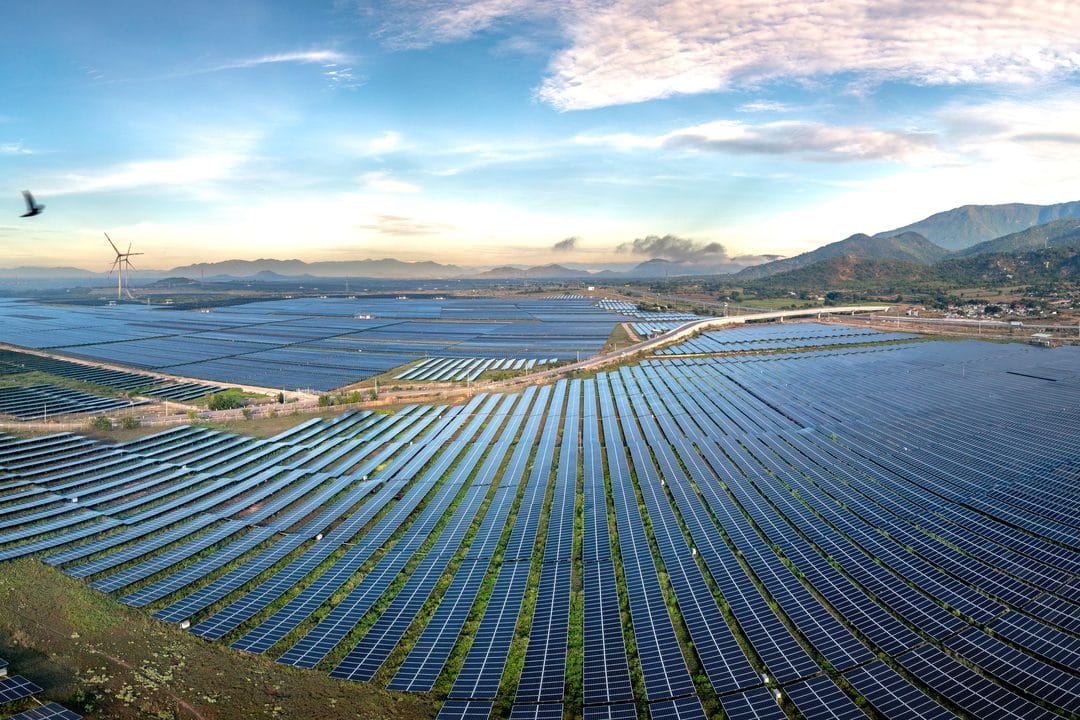
Singapore, Thailand and Malaysia have each rewritten their data centre rules since mid-2025, requiring operators to prove they can secure clean power and water before new server capacity gets approved. The moves come as AI-driven computing demand collides with electricity grids that a Deloitte report published on 10 March 2026 says are already running short of capacity — Asia Pacific data centre power consumption is projected to climb from under 200 terawatt-hours in 2025 to more than 1,000 terawatt-hours by the mid-2030s under a high-adoption scenario.
Singapore ties new capacity to a stricter efficiency bar
Singapore's Economic Development Board and Infocomm Media Development Authority opened a second Data Centre Call for Application on 1 December 2025, offering at least 200 megawatts of new capacity, well above the 80 megawatts split among Equinix, GDS, Microsoft and an AirTrunk-ByteDance consortium under the 2023 pilot. Applicants have until 31 March 2026 to show a Power Usage Effectiveness rating of 1.25 at full load, tighter than the pilot's 1.3 threshold, and to source at least half their electricity from green power that is directly procured rather than offset with certificates. Data centres already draw more than 7% of the city-state's electricity, a share regulators are watching closely as the sector expands.
Thailand opens its grid to direct renewable contracts
Thailand's Energy Regulatory Commission published draft rules on 3 October 2025 for a Direct Power Purchase Agreement scheme that lets data centres buy renewable electricity straight from generators over the national grid, bypassing the state's long-standing single-buyer model. The pilot, capped at 2,000 megawatts and centred on the Eastern Economic Corridor, took effect in January 2026 under the government's "Quick Big Win" policy. Eligible operators need Board of Investment backing, at least 50 megawatts of IT load, and a 10-year plan committing to fully renewable supply. According to industry trackers, no contracts had been finalised as of March 2026, leaving the scheme's first real test still ahead as Thailand works toward a 51% renewable-power target by 2037 from a grid still built mostly on natural gas.
Malaysia confronts a phantom-demand problem
Malaysia's Data Centre Framework took effect in October 2025, but the companion sustainability rulebook meant to set energy and water procurement standards has been delayed by coordination among the Ministry of Digital, the Department of Environment and the Ministry of Energy Transition and Water Transformation. In Johor, the state's Data Centre Development Coordination Committee has rejected roughly 30% of applications for failing sustainability criteria, according to one industry analysis. Energy Commission figures show why regulators are cautious: data centres drew 603 megawatts as of June 2025, only about 47% of the 1,276 megawatts they had declared as maximum demand, prompting a new rule that operators must hit 85% of their stated load. Water rules have tightened as well — since September 2025, national regulator SPAN has pushed operators toward reclaimed water or air-cooled systems, and Johor now supplies roughly 12 million litres a day of treated effluent for server cooling.
A regional gap still widening
Deloitte's analysis puts data centre electricity demand at roughly 2.3% of Asia Pacific's total by 2030, even as overall regional demand is set to rise almost 50% between 2024 and 2035. Grid connection queues and capacity bottlenecks are already visible in several of the region's largest markets, the report notes, with planned data centre power needs in some locations outstripping scheduled grid upgrades. Singapore, Thailand and Malaysia are the first to convert that warning into binding capacity rules; other governments in the region are watching how the three pilots perform before deciding whether to follow.