Asia's Urban Forest Race Speeds Up as Seoul's Green Path Nears Its 2026 Finish Line
Seoul's greenway network is on pace to more than sevenfold its length by the end of 2026, part of a wider East Asian push, spanning Tokyo's two-decade-old green roof rule and China's National Forest City programme, to blunt summer heat with trees and green corridors.
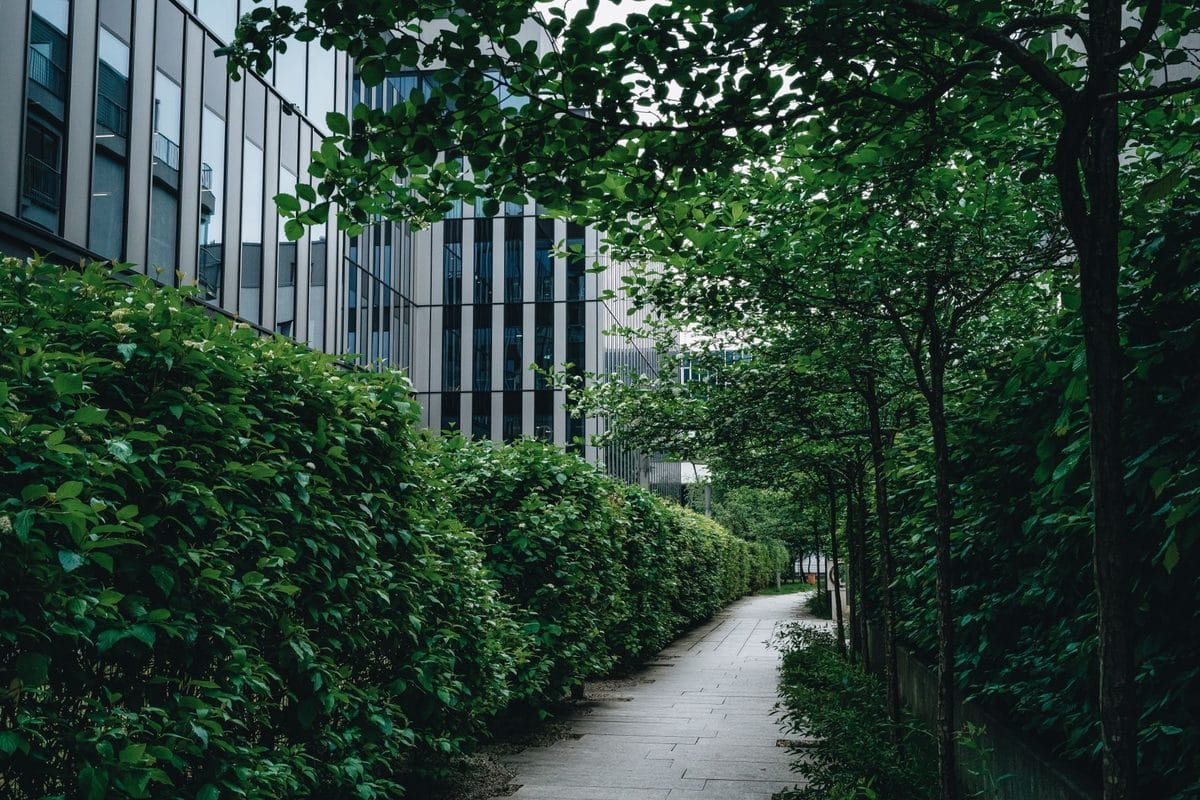
Seoul Metropolitan Government is on track to complete its Seoul Green Path network by the end of 2026, expanding the city's connected greenway system from 286.6 kilometres to a targeted 2,063.4 kilometres. The project is part of a wider push across East Asian cities, including Tokyo and more than 200 municipalities certified under China's National Forest City programme, to widen tree cover and green corridors as summer heat island temperatures climb.
Seoul's Green Path Nears the Finish Line
The Seoul Green Path plan calls for extending the city's greenway system more than sevenfold before the end of the year, according to the Seoul Metropolitan Government. The expansion includes new indoor forests inside three subway stations and a rise in private rooftop gardens open to the public, from 12 in 2023 to a planned 48 by 2026.
Seoul's park composition rate reached 28.53 percent in 2022, up from a smaller share when the city recorded 168.16 square kilometres of gross park area in 2009. By 2022 that figure had grown to 172.68 square kilometres, though local park area per resident, at 5.65 square metres, remains well below the level the city's own roadmap flags as a shortfall.
Tokyo's Two-Decade-Old Green Roof Rule
Tokyo has regulated building-level greening since 2001, when the Tokyo Metropolitan Government's Nature Conservation Ordinance first required 20 percent green coverage on new or renovated buildings larger than 1,000 square metres. The rule was tightened in 2009 to require 25 percent coverage on buildings above 5,000 square metres, and new construction exceeding 10,000 square metres must include a rooftop greening plan.
More than 5,700 buildings have added roughly 180 hectares of green roofs under the ordinance, according to Tokyo Metropolitan Government figures cited by C40 Cities. A 2004 municipal study found that green roof surfaces can measure up to 25 degrees Celsius cooler than exposed concrete during peak summer heat, the rationale the city used for a policy adopted well before the heat island effect became a fixture of Tokyo's summer news coverage.
China's National Forest City Programme Faces a Data Check
China's National Forest City programme, launched in 2004 by the State Forestry Administration and the National Greening Committee, set a target of 300 certified forest cities under a development plan issued in 2018, covering the period through 2025. Cities qualify by meeting green-space thresholds and building what the programme calls ecological corridors linking urban parks to surrounding forest land.
Separately, a study published in the journal Forests in January 2026 tested the programme's actual cooling effect, using panel data from 243 Chinese prefecture-level cities between 2000 and 2023 in a difference-in-differences model. A broader analysis covering 325 Chinese cities through 2025 found that urbanisation remained the dominant driver of rising surface temperatures, with greening acting as a partial offset rather than a full reversal.
Seoul's roadmap lists two further items due before its 2026 deadline: a 10-kilometre landmark path running from Gwanghwamun to Nodeul Island, and a six-month international garden exposition scheduled for the following year.