Indonesia Frees Five Rehabilitated Orangutans Into Betung Kerihun National Park
Indonesia's Ministry of Forestry has released five rehabilitated Bornean orangutans into Betung Kerihun National Park, the 18th such release in the West Kalimantan reserve since 2017.
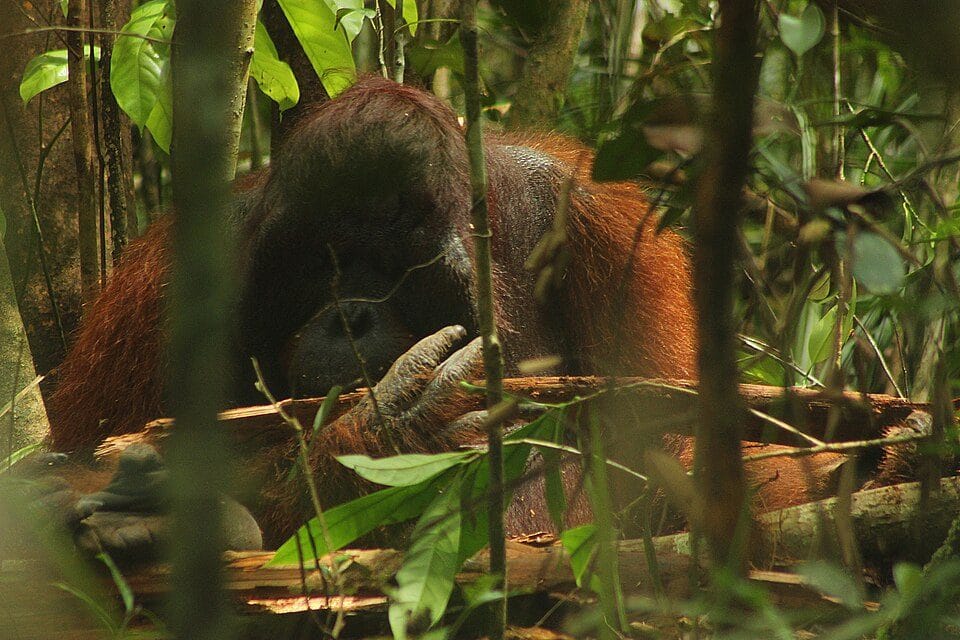
Indonesia's Ministry of Forestry released five rehabilitated Bornean orangutans into Betung Kerihun National Park in West Kalimantan on 30 June, the 18th reintroduction carried out in the reserve since the program began in 2017. Coordinating the operation were the Natural Resources Conservation Agency of West Kalimantan (BKSDA), the Betung Kerihun and Danau Sentarum National Park Agency, and the Sintang Orangutan Rescue Foundation, known locally as Yayasan Penyelamatan Orangutan Sintang (YPOS).
Five animals made up the group: Benazir, a 14-year-old male; Jamilah, a 25-year-old female travelling with her one-year-old infant, Ulin; and Sinta, a 13-year-old female accompanied by her two-year-old infant, Sabine. All three adults had completed rehabilitation at Jerora Forest School near Sintang, and each cleared a full veterinary examination followed by a month-long pre-release quarantine before wildlife officials approved them for return to the wild.
From Sintang to the Mendalam Watershed
Getting the group to the release point took between 10 and 12 hours, combining a road transfer from Sintang to Putussibau with a river journey into the Mendalam sub-watershed inside the park. Officials said the location was selected after ecological surveys found sufficient fruiting trees and canopy cover to support the new arrivals without pushing them into direct competition with orangutans already living in the area.
"The return of these five orangutans to their natural habitat in Betung Kerihun National Park is not merely the end of a rehabilitation period — it marks a new beginning for strengthening the wild Bornean orangutan population," said Murlan Dameria, head of West Kalimantan's Natural Resources Conservation Agency.
Monitoring and the Wider Conservation Push
Over the next three months, field teams will track the released orangutans using the nest-to-nest method, following each animal's overnight sleeping nests to confirm it is foraging independently and staying clear of conflict with the park's existing population. The approach has been standard practice across the program's previous 17 releases in the same reserve.
Since 2017, the releases have brought the total number of orangutans returned to Betung Kerihun to 44, folding into Indonesia's FOLU Net Sink 2030 strategy, the government's forestry and land-use plan to turn the sector into a net carbon sink by the end of the decade through reduced deforestation, peatland restoration and habitat protection. The Bornean orangutan, Pongo pygmaeus, is listed as Critically Endangered on the IUCN Red List, and Betung Kerihun's roughly 800,000 hectares, contiguous with the adjoining Danau Sentarum National Park, remain among the largest forest blocks on the Indonesian side of Borneo still capable of sustaining a wild population.