Indonesia Crosses 2.7 GW of Geothermal Capacity as June Auction Adds 12 New Fields
Indonesia pushed installed geothermal capacity past 2.7 GW and opened a 12-field tender, sharpening Asia's effort to replace coal baseload with firm renewable heat.
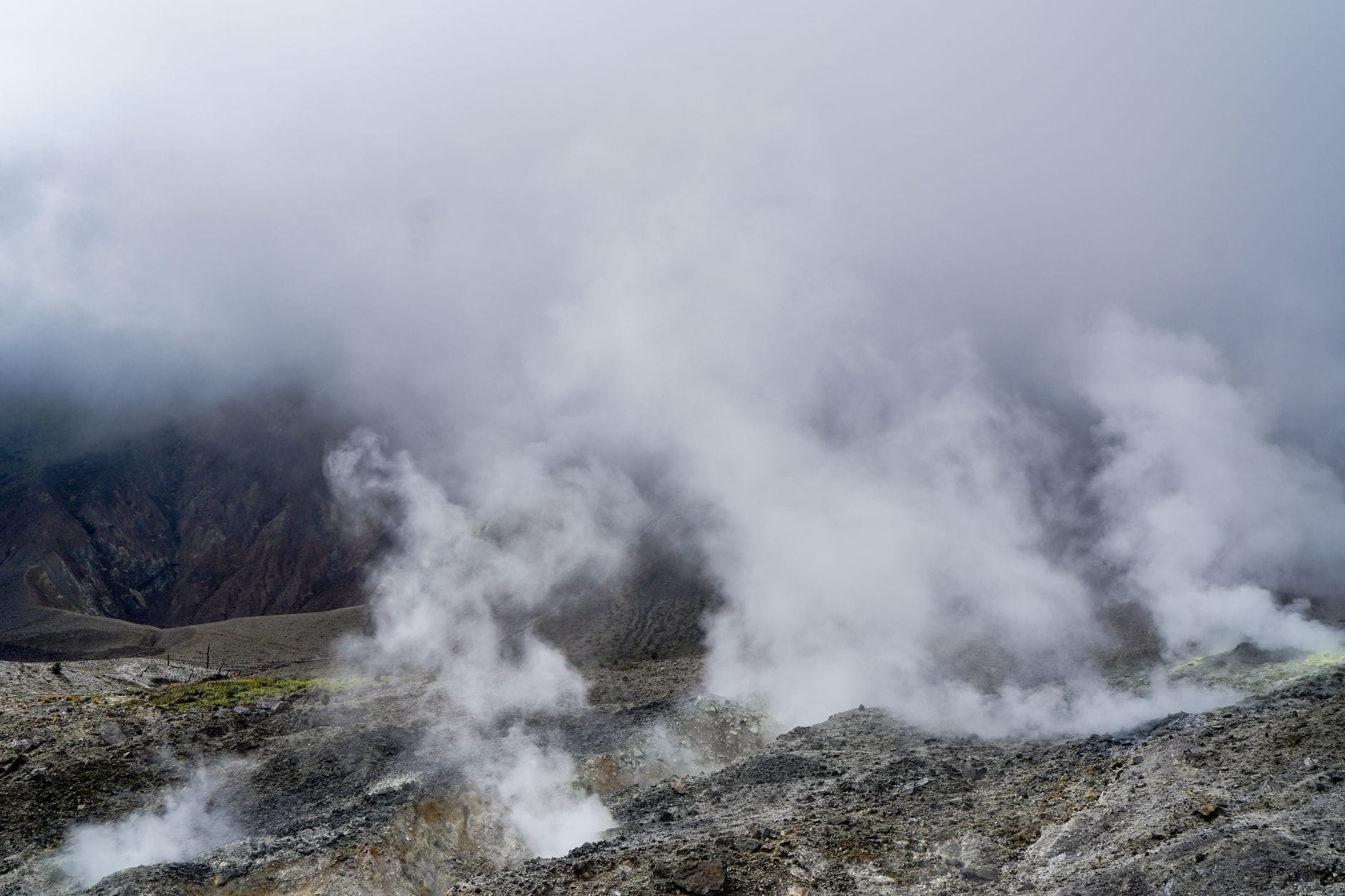
Indonesia's energy ministry confirmed this week that installed geothermal capacity has passed 2.7 gigawatts, a threshold that keeps the country second only to the United States in operating geothermal power. The update accompanied the launch of a new tender covering 12 prospective fields across Sumatra, Sulawesi and the eastern islands.
The milestone matters because geothermal supplies firm, around-the-clock electricity, unlike the solar and wind capacity that has dominated recent Asian additions. Grid planners across the region have spent the past year warning that variable renewables alone cannot replace coal baseload without large volumes of storage. Indonesia sits on an estimated 23 GW of geothermal potential, the largest reserve of any single nation, and has long under-built relative to that figure.
What the June auction covers
The 12 fields offered carry a combined indicative potential of roughly 1.6 GW. Officials said the tender introduces a revised pricing formula intended to address the chronic complaint from developers: that exploration drilling, where a single dry well can cost more than 7 million dollars, sat almost entirely on the private bidder. Under the new terms, a state geological survey will de-risk early drilling on several blocks before they reach the market.
State utility PLN and Pertamina Geothermal Energy are expected to anchor bids on the larger Sumatra blocks. International developers, including parties from Japan and New Zealand that already operate in the country, have been briefed on the structure.
The coal context
Indonesia still draws more than half its electricity from coal, and its earlier pledge to retire plants early has slipped against rising demand. Geothermal is one of the few resources that can substitute for coal on a one-for-one basis without reshaping the grid around storage. Analysts caution, however, that even an aggressive build-out adds capacity over years, not months, because each field requires confirmation drilling, steam-gathering infrastructure and turbine commissioning.
A successful auction would lift the firm-renewable share of new capacity at a moment when regional electricity demand is climbing through the hot season. Bids close in the third quarter, with awards expected before year-end.